My thoughts on product design
Wed Mar 18 14:44 EST
Always design to experience the innate purpose of the product. Focus on the meaningfulness of the product, the comfort the design provides to the user, and the ease-of-use in critical situations. The design doesn't necessarily have to be a paradigm, but the user should feel like they've used the product a countless times. If not, it should feel natural--it should feel like home. This is where Human Centered Design Strategy comes in. A perfect example would be how Vast is building space stations that feel like home and not like the island of snakes and switches.
Vast's Haven-1 Space Station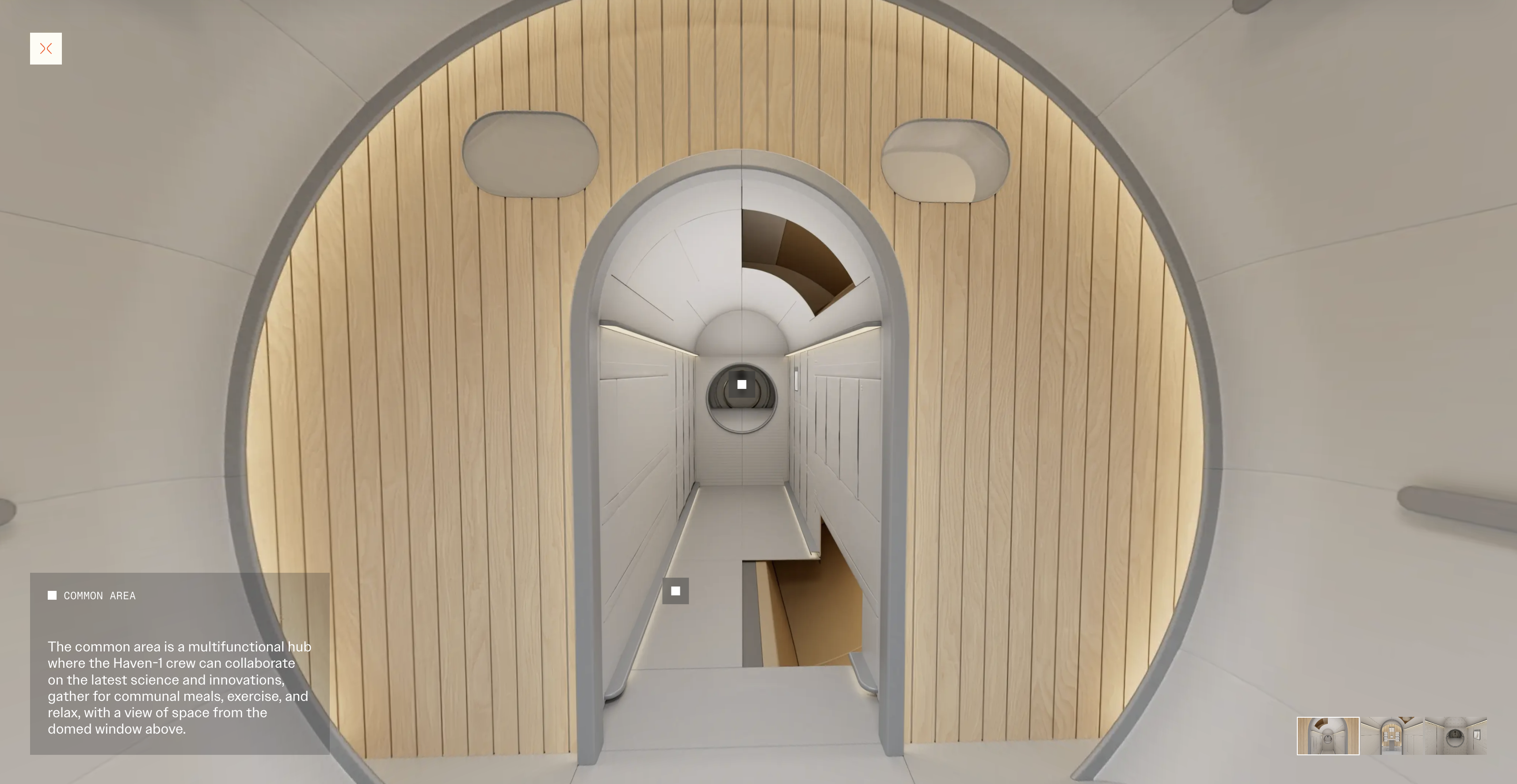
Now take a look at this: Ironically, NY Times titled this article "Home Sweet Home in Orbit".
A "home" that most likely doesn't make astronauts feel like home at all and isn't sweet either. I do agree the second image, with all the cables and switches looks more cooler, but doesn't make you feel comfortable, whereas the first image does. If there's no need to show something, then definitely don't show it or make it accessible without overwhelming the user. Remember that the design should always be meaningful and purposeful. Sometimes it is easy to design something; othertimes, it requires a lot of thought and I think that's why it is time-consuming to thoughtfully designing something.
If you want to learn a little more, I would highly recommend watching this talk by Hillary Coe at OSMED 2025 (link)